• ABOUT THE AUTHOR
  • Sustainability
  • CSR
  • CSR reporting

In Good Company: Singh on CSR

~ Connecting the dots between Business, Society & the Environment

Tag Archives: Work culture

The True Value of CSR Reporting: In Conversation with Campbell Soup’s VP for CSR

07 Monday Jul 2014

Posted by Aman Singh in CSR, CSR reporting, CSRwire, ESG

≈ Leave a comment

Tags

Business, Campbell Soup, CEO Network, community development, corporate governance, CSR, CSR reporting, CSRwire, Dave Stangis, denise morrison, employee engagement, Environment, ESG, Social Media, Stakeholder Engagement, Supply chain management, Sustainability, sustainability, Work culture


The soon-to-be-released report will mark Campbell Soup’s fourth CSR Report. This report comes amidst a CEO change – Denise Morrison took on the chief job at Campbell Soup last year joining a small group of women CEOs in the Fortune 500 – and a period of what Director of Diversity & Inclusion Kevin Carter calls a time of “deep introspection” for the company.

Carter’s note is well taken. With the economy sputtering and flailing, reports continue to suggest that consumer confidence and trust remain low. For a food manufacturer then, this means not only staying ahead of the curve of quickly changing taste preferences but also understanding its unique role in encouraging nutrition across an increasingly complex and fragmented consumer base.

And amid a tepid economy, where does the true value of CSR and sustainability reporting lie? Can these reports and the effort required to produce them extend beyond an exercise in sharing key metrics, the year’s highlights – and a few, incredibly sparse media mentions – to true learning experiences for companies to better their processes and make gains that help them and their communities become more sustainable?

The True Value of CSR Reporting

Dave_Stangis_CSFor VP of Public Affairs and Corporate Responsibility, Dave Stangis – his third report since taking the job at Campbell Soup – the true value of Campbell Soup’s reporting goes far beyond setting the right goals and reporting on the progress.

“The true potential of CSR reporting* is that while companies go through this chronological reporting effort once a year, the organization and business units are executing their strategies and working on metrics year-round. The process of reporting creates an opportunity to build a Campbell Soup Britannica or World Book to work off of and use as a record of the company’s progress,” he said in a recent interview.

“All year-long, we are collecting examples, building the narrative, monitoring our progress and continually evolving materiality assessments,” he continued. Often, great examples of progress emerge that would otherwise never rise to the spotlight in a multinational company.

“As you dig in, you find cross-functional teams working together on strategy, benchmarking, indicators, etc. There are, of course, always things to improve on but the stories and ideas that emerge from this heels dug in reporting exercise are incredibly useful in moving our company forward,” he said.

Connecting the Dots: Recognizing the True CSR Heroes

In recent weeks, CSRwire readers read from a number of top executives at Campbell Soup on their stories and contribution to the 2012 CSR report. Trish Zecca discussed the fine balance between nutrition and taste while Amanda Bauman discussed how the company is tackling hunger and obesity in its communities and Dr. Daniel Sonke gave us an in-depth account of the relationship between agriculture practices and corporate sustainability. Finally, D&I Director Kevin Carter offered his insights on how the company is prioritizing intercultural teams, moving diversity beyond compliance, and tentatively dipping its toes in social media.

For Stangis, these are the true heroes.

“These are the people who are behind the images and stories in the report. They are invested in the business Campbell_Soup_Volunteersand their work and there is a discernible amount of pride and work ethic that goes along with that,” he said.

“For our CSR Communications Manager Niki Kelley – creating this report is her life for six months and I’ve told her, she’s the one who knows more about the entire company than anyone else in the company.”

5 Questions for Campbell Soup’s VP for CSR

What is Stangis most proud of in the latest CSR report?  “It’s the nuances that a lay reader won’t realize but that are critical to the progress we are making,” he said. To explain further, we decided to play five questions:

1. Whose Interested:

“We continue to evolve our understanding of our various audiences [for the CSR report]. We want to connect with our employees on the frontline as well as in the C-suite. We need to impact our neighbors and make the content relevant to our customers and consumers. Most readers are looking for quick snapshots and I want to validate, reinforce and build trust and credibility in that short timeframe.”

2. What’s New:

“We’ve really worked hard on strengthening the wellness and nutrition metrics from a product perspective…we’re not driving a health ultimatum, but we are offering more healthy choices for consumers. Readers that pay closer attention will notice a growing sophistication in our strategies and metrics across the board. This report also includes the first full description of our Healthy Communities Initiative that we’ve launched in Camden, NJ.”

3. What’s Often Hidden:

“We work hard to make sure nothing gets lost in the details, but there is a ton of content that most readers will miss on a casual glance. The CEO Letter can give the readers a sense of how Denise Morrison thinks and interacts with the CSR and sustainability strategy.”

“We’re bridging from an employee engagement (only) mindset to a performance culture that leverages engagement to drive better business results. This isn’t something that is immediately obvious to external readers but it’s a priority for us.”

4. What’s Measured Gets Managed:

“Last year we discussed our community programs but this year the report really talks about these in a strategic and measurable manner. We continue to advance our metric set from product conception to societal impact. We’ve mapped our production sites with the WBCSD Global Water Tool and as we’ve brought our Community and Foundation functions into tighter alignment with our CSR and Sustainability strategies, we are shifting from measuring activity to measuring outcomes.”

5. Uncharted Territory: 

“The big news this year from a sustainability perspective is our traction on renewables. We’ve had smaller efforts in the past but in 2011 we went from dipping our toes in the water to flipping the switch on one of the largest solar installations in the country. This represents a cultural shift for the company. Large scale renewable projects just weren’t in our solution set and now we are evaluating new renewable opportunities across our plant network that reduce our greenhouse gas emissions and save money.”

Solar_Panels_at_Campbell_SoupFor Campbell Soup, a global footprint means a holistic vision of sustainability that encompasses its products, employees, communities and supply chain.

And for Stangis, publishing an annual report is not only a testament to his team’s efforts but also a way to measure what’s not working. Having led CSR at Intel before joining Campbell Soup, Stangis is a veteran in the world of CSR reporting, and has seen firsthand the evolution of the sector.

“What comprehensive reporting does today is set up a process that continues to position the company in the long-term. This wasn’t the case when we started reporting. Now we’re anticipating issues and breaking down communication silos that are inherent in the company,” he explained.

Challenges Ahead: More Data, Clarity of Purpose

Any regrets? “We need to keep pushing ourselves for better data every year, especially for our international footprint. It’s only when you dig in that you realize how much better a fully integrated measurement and reporting system would be,” Stangis confessed.

The journey – as for most companies taking on the responsibility and challenge of reporting on their corporate social responsibility and sustainability efforts – is far from over.

And as a seasoned sustainability executive, Stangis understands the daunting task that lies ahead for Campbell Soup in a crowded market, evolving taste preferences and the continuous challenge of consumer education.

“We still have to plug people into what we are doing, the reason why we are doing it [and make it make sense],” he said, noting that it isn’t just the external stakeholders that need the dots to be continually connected for them.

“We have to do a better job at communicating the strategic intent and shareowner value delivered by a comprehensive CSR program.  Our internal teams, our C-suite – it’s our job to help them understand  the story across the board.”

Originally written for and published on CSRwire’s Commentary section Talkback on May 24, 2012

Share this:

  • Tweet
  • Email a link to a friend (Opens in new window) Email
  • Share on Reddit (Opens in new window) Reddit
  • Print (Opens in new window) Print
Like Loading...

Empowering Women Through Education: Talbots and BSR’s HERproject

03 Thursday Jul 2014

Posted by Aman Singh in CSR, CSRwire, ESG

≈ Leave a comment

Tags

BSR, CSR, CSRwire, ESG, Ethics, Events, health and wellness, herproject, marcus chung, Social Responsibility, supply chain, Supply chain management, talbots, women, women in the workplace, Work culture


It is often said that an empowered woman can lead to happy families, successful team projects, and a flourishing economy.

BSR_HERproject_1With women increasingly accounting for a higher proportion of our workforce — and supply chain — empowering them with healthy alternatives, training and access to medical information is critical. BSR’s HERproject has a similar objective in mind. The project, built around private-public partnerships, believes that businesses that invest in educating and empowering women in the workplace enjoy higher efficiencies, lower absenteeism and turnover rates, and higher return on investments.

In fact, “BSR’s HERproject has demonstrated the power of providing women’s reproductive health education in the workplace to transform individual lives, workplaces, and communities,” says Marcus Chung, Director of Corporate Responsibility at Talbots, a women’s apparel, shoes and accessories retailer.

Chung, in partnership with BSR’s Racheal Yeager, will lead a session at the upcoming Ethical Sourcing Forum in New York on some of the results, challenges and lessons learned from collaborating closely on implementing HERproject in Talbots’ contract factories.

Public-Private Partnerships to Drive Women Empowerment

Talbots has partnered with BSR since 2010 on creating, investing in and implementing curriculum to educate female garment workers around the world. What makes partnerships like these tougher to implement – but much more critical to push for – is that these workers are not Talbots employees – and the factories are not owned by Talbots either.

Return on Investment: BSR's HERproject“HERproject emphasizes partnering with local NGOs to deliver training to high potential workers, who in turn become internal trainers. We focus on health and nutrition issues which ultimately lead to increased confidence and competency among the workforce,” he says.

Chung admitted that besides higher rates of productivity, participation and loyalty, these exercises also help discern high potential candidates for leadership opportunities.

So far Talbots has launched the project in its factories in China, Bangladesh, India, Indonesia and Vietnam.

An Educated & Healthy Employee

There are some side benefits too, he agrees. “At one factory in Vietnam, management told me that other factories’ workers were approaching them to ask how they could join the factory to take advantage of the educational and training opportunities,” he says.

They have since seen higher rates of applications pour in.

For Talbots – a women-centric brand – this initiative has been crucial in driving social impact and demonstrating worker responsibility. But, according to Chung, it is much more than that. “HERproject also made it very easy for us to scale and take our philanthropic platform across our factories in a very real way,” he says.

“Of course it also helps with vendor dialogues: Our conversations with our suppliers and vendors used to be restricted to garment costing and quality. Now we have much more dynamic conversations.”

For retailers and manufacturers, HERproject, he says, offers a practical way of working with nonprofit partners and internal champions to bridge the complex cultural and economic divides that surround a global company’s supply chain.

Statistics have shown that a woman shunned is a dangerous woman. While an educated and empowered woman invests in the future and drives change for her family, herself, and her employer. Who wouldn’t want such a powerful employee on your side?

Originally written for and published on CSRwire’s Commentary sectionTalkback on March 1, 2011.

Share this:

  • Tweet
  • Email a link to a friend (Opens in new window) Email
  • Share on Reddit (Opens in new window) Reddit
  • Print (Opens in new window) Print
Like Loading...

PwC Canada Releases 3rd Annual CSR Report: Staying the Course

03 Thursday Jul 2014

Posted by Aman Singh in CSR, CSR reporting, CSRwire, ESG

≈ Leave a comment

Tags

CSR, CSR report, CSR reporting, CSRwire, ESG, GRI, james temple, non-financial reporting, philanthropy, Philanthropy, pwc, Social Impact, Stakeholder Engagement, Sustainability, volunteerism, Work culture


PricewaterhouseCoopers (PwC) Canada released their third annual corporate responsibility report today. It’s nothing groundbreaking. But nor is it pages and pages of images and quotes from top leadership interspersed with hard-to-evaluate statistics.PwC_CR_Report_2011

In true PwC fashion, the report details commitments and achievements in 2011 only to quickly move on to highlighting challenges and the firm’s key plans for 2012 followed by an affirmation of the firm’s social and environmental strategy.

The pressure on firms big and small to report on their non-financial activities is significant. With the Global Reporting Initiative (GRI) officially launching in North America last year, CSR and sustainability reports are set to multiply in coming years. What always challenges me are the motivations behind the reporting: Is it simply peer pressure or do firms learn something from the process? Moreover, is the act of reporting an exercise in external communication or more of an introspective activity to improve processes and strategies?

I caught up with James Temple, PwC Canada’s Director of Corporate Responsibility for some insights:

What was the most important lesson learned from the often stressful exercise of putting this report together?

Every time we work on our Corporate Responsibility Report, we’re reminded that this is an evolving journey and one that requires us to be open to adapting to changing ideas, personalities and approaches to developing the most transparent narrative possible.

When you involve such a large number of stakeholders in such a rigorous process, all of whom are passionate about their work and the cause, it can prove to be a balancing act that requires a balance of leadership, managing expectations, and the ability to communicate with empathy and effectiveness.

Most importantly, the process has helped us finesse a blended approach that respects standard reporting frameworks and our unique firm culture and structure to develop a narrative that is representative of the success (and the challenges) we face along the way.”

The report mentions plans for a new three-year strategic plan to guide the next phase of PwC Canada’s CSR program. Any insights you can provide into that?

Over the next few months, we will be completing our environmental scan and a strengths, weaknesses, opportunities and threats (SWOT) analysis to ensure that we are being thoughtful about our dynamic marketplace conditions along with gaining valuable input from our Global Network of Firms.

Philanthropy plays a crucial role in targeting social and environmental challenges through nonprofit partnerships but it’s often the strategy behind these donations that helps make them effective. Any insights on what works well for PwC’s B2B industry?

From the 2011 CR Report: “In 2011, PwC contributed a total of $2,533,000 in charitable donations and sponsorships to community organizations across Canada.”

At PwC Canada, we have adopted a strategy that focuses on educating employees and other stakeholders about the most effective ways to give back to their communities.

We encourage people to utilize our PwC Canada Volunteer Continuum that spells out how a person or organization can deepen their engagement with the charitable sector while developing their skills and experiences.

This could include the ways people use their skills to volunteer, how they look at sharing their community experiences, calling on their business networks for support, or how to allocate their personal or organizational resources in the most effective way possible.  Our approach is rooted in the regular feedback we receive from the not-for-profit sector and considers impact (not just dollars and cents).

What are some points of achievements from the report that you feel especially proud of?

In the fall of 2010, PwC hosted a series of roundtable discussions with representatives from the not-for-profit sector, public and private foundations and major corporations called the Capacity Building Roundtable Project.

The purpose of the project was to raise awareness about how corporate funders could better allocate their resources to help the not-for-profit sector become more sustainable and deliver lasting results within their communities.

The report concluded with a step-by-step process that addressed critical needs identified by the community that could have the most immediate and scalable impacts.

One of the critical findings was the need to encourage other corporations to provide not-for-profits support for core operational expenditures, and ensure they build time for grant recipients to reflect, take risks and test new innovations into grant proposals.

How do you define success in CSR reporting? Metrics? Media mentions? Or a set of internal goals?

We encourage our employees and other stakeholders to integrate a CR mind-set into their day-to-day business operations.  We want to inspire and empower people to look for ways to embed good CR practices into their decision-making frameworks.

A great example of how we’ve engaged our stakeholders in a CR dialogue was through the Citizen’s Reference Panel. PwC Canada brought together people from across Ontario to discuss their views on how to build a more sustainable and cost-effective healthcare system across the province.   We published a piece of thought leadership outlining the results, and it’s something that will help our business, the public and governments have better insights into the development of new healthcare strategies.

Our firm can play in helping to shape the debate on sustainability issues impacting businesses today.

Success means knowing you’ve done everything you can to help develop the CR conversation.

Originally written for and published on CSRwire’s Commentary sectionTalkback on February 27, 2012..

Share this:

  • Tweet
  • Email a link to a friend (Opens in new window) Email
  • Share on Reddit (Opens in new window) Reddit
  • Print (Opens in new window) Print
Like Loading...

The Makings of a CSR Program: In Conversation with Avon, LinkedIn & Jones Lang LaSalle

02 Wednesday Jul 2014

Posted by Aman Singh in CSR, CSR reporting

≈ Leave a comment

Tags

avon, business, career advice, careers, corporate responsibility, CSR, CSR reporting, employees, HR, Jobs in CSR, Jones Lang LaSalle, Leadership, LinkedIn, Management, Net Impact, social impact, Sustainability, sustainability, Work culture


That was the focus of one of the panels at Net Impact 2011 featuring Avon’s VP of Sustainability and Corporate Responsibility, Tod Arbogast; LinkedIn’s Head of Employment, Branding and Community, Meg Garlinghouse; and Jones Lang LaSalle’s SVP of Sustainability Strategy, Michael Jordan.

Representing companies that are often called out for their out of the box thinking on social responsibility and sustainability, the speakers discussed a range of topics including the always debatable definition of corporate social responsiblity, measuring employee engagement as well as the skill sets that go into the makings of a CSR director.

Main highlights:

CSR: Burden or Boon?

“CSR should die as a term. CSR departments tend to take away from possible impact. Just like ‘global’ is part of everything we do at LinkedIn, so is CSR,” Garlinghouse emphasized, noting, “Employee engagement is key for CSR, not separate departments.”

Jordan picked up where Garlinghouse left off adding that businesses must leverage engaged employees and identify champions early on for successful CSR programs.

“CSR has a direct tie-in with our business. After you’ve built the business case and identified regional champions, work together on identifying and building in efficiencies,” he advised.

“Build friendships, be seen as pragmatic and capture early wins. Then leverage those to go further and faster,” Arbogast said.

Measuring Employee Engagement

But how do you measure the efficacy of employee engagement?

A survey I conducted a few months ago with Smartbrief on Sustainability asked whether companies were measuring employee engagement on CSR. With over 70 percent of respondents saying they did not measure employee engagement, how were these panelists identifying wins and scale?

Once again, there was a healthy difference of opinion across the panel. While Garlinghouse emphasized company mission, the other two focused on operational procedures and policies.

“We recruit on the notion of social impact. These conversations happen during the interview process,” Garlinghouse alluded, noting LinkedIn’s entire modus operandi is based on “creating economic opportunities.” LinkedIn also offers employees the opportunity to do whatever they feel passionate about one Friday a month. “They have to come to work but they can pursue whatever they are interested in,” she said.

“For us, measuring the progress of your platform from awareness to implementation to operational strategy has always been key,” added Jordan.

Defining CSR With Strong Stakeholders

Responding to an audience question about resourcing for CSR initiatives, Jordan emphasized that most of Jones Lang LaSalle’s sustainability activities have been client-driven. “There is a clear business case because our clients are demanding sustainability strategies,” he said.

For Garlinghouse, employees have been the most forthcoming about corporate social responsibility initiatives. “Our CEO is very involved. Also, our employees are really committed to our company mission,” she said.

Skill Sets for a CSR Officer

Arbogast, who joined Avon in late 2009 after successfully leading Dell’s Giving program for a number of years, is a well-sought after speaker at the Net Impact conference each year. This year too, he was asked what aspiring professionals could do to become effective CSR officers. He laid out three crucial skills sets:

  1. People’s Person: Know how to communicate with people from all kinds of backgrounds and perspectives.
  2. Conflict Resolution: You must be a skilled mediator. Know that business cases will vary from group to group and you must be willing and diplomatic enough to finesse the tension lines and bring about resolution.
  3. Business Pragmatism: You must be a realist and know the business inside out. For CSR and sustainability programs to be effective, you need to understand what drives decisions and action.

Originally written for and published on CSRwire’s Commentary section Talkback on November 9, 2011.

Share this:

  • Tweet
  • Email a link to a friend (Opens in new window) Email
  • Share on Reddit (Opens in new window) Reddit
  • Print (Opens in new window) Print
Like Loading...

KPMG’s Citizenship Director: Occupy Wall Street Protests Must Drive [Business] Transformation

31 Monday Oct 2011

Posted by Aman Singh in CSR

≈ 2 Comments

Tags

Accountability, aman singh, aman singh das, BBC, brand management, Brand Management, Business, Business Ethics, business strategy, corporate citizenship, corporate social responsibility, CSR, Director of Citizenship, diversity, diversity and inclusion, Ethics, Events, inclusion, KPMG, Leadership, Lord Michael Hastings, Management, Net Impact, Occupy Wall Street, Social Impact, social responsibility, Social Responsibility, transparency, war on terror, Work culture


“The greatest way to change the world is _________.”

That’s how KPMG’s Director of Citizenship and Diversity Lord Michael Hastings started the opening keynote at this year’s Net Impact Conference in Portland, Oregon.

In the next half an hour that followed, the former — and the first ever — CSR director of BBC offered observations that felt alternatively poignant, realistic and perhaps unattainable.

On America’s prison system:

We must recognize that social dysfunction is a critical part of our reality and is perilously expensive.

On 9/11:

I say this with the utmost respect in my heart for the victims of 9/11: It has cost us one trillion dollars and over 6,700 deaths to avenge one event. Within hours, what was supposed to be the war on illiteracy – remember the picture from that day of President Bush reading to a classroom of kids? – became the war on terror.

Today, we are facing the repercussions of that decision. Now, we must switch on our acutest sense: Our intuition and listening power.

On Occupy Wall Street:

[We have to figure out] how do we respond? Because we have to. These protests must drive transformation, which can only come through sacrifice, only by accepting responsibility.

On the answer to changing corporate culture and mindsets:

The answer is cynicism. This is an understanding that I am responsible for the conflicts around me, that I absorb the duty, steel my back and face society to do the unexpected.

On reputation:

We cannot build a reputation on what we are ‘going to do.’ Our moral fiber, clarity of values, past record and leadership contribute to our ultimate reputation.

On the role of people in business growth:

A change in reporting is occurring that will correctly calculate the real assets of a business. Integrated reporting offers this framework for the future. We’re in a time when the idea of responsible capitalism is becoming a part of business strategy. We must continue with it.

And his answer to the earlier question?

“Overcoming cynicism”

Share this:

  • Tweet
  • Email a link to a friend (Opens in new window) Email
  • Share on Reddit (Opens in new window) Reddit
  • Print (Opens in new window) Print
Like Loading...

Occupy Wall Street: The Average Joe Interprets Corporate Social Responsibility

19 Wednesday Oct 2011

Posted by Aman Singh in CSR

≈ 17 Comments

Tags

Accountability, aman singh, aman singh das, Aneel Karnani, Brand Management, Business, Career advice, corporate citizenship, corporate social responsibility, creating shared value, CSR, CSRwire, diversity, ethical markets, Ethics, Events, fair compensation, human rights, Job search, Jobs in CSR, jobs in CSR, joe sibilia, leadership, Management, Occupy Wall Street, OWS, rosalinda sanquiche, shared value, Social Enterprise, Social Impact, social justice, social responsibility, Social Responsibility, Stakeholder Engagement, supply chain, Sustainability, sustainable business practices, transparency, Wall Street, what is CSR?, Work culture


Earlier this week I was at the annual PRSA conference in humid and beautiful Orlando, Florida. Before you think that I have switched tracks from journalism to PR, stop right there! I was on site to speak on an interestingly personal topic: Sustainability: Walking the Walk.

Sustainability: Walking the Walk with CSRWire & Ethical Markets

Joining me on the panel were CEO of CSRwire Joe Sibilia and Executive Director of Ethical Markets Rosalinda Sanquiche. Sibilia started off the panel by talking about Occupy Wall Street. Not because he wanted a room full of dissent but because for Sibilia, as he emphasized on a recent Fox Business show, OWS goes to the heart of corporate social responsibility: A responsible capitalist system that takes into account a business’ social, economic and environmental stakeholders.

From a room of roughly 45 attendees, almost everyone raised their hands. However, when he followed up by asking how many understood what the protestors are demanding, the hands fell to a single digits. So, before I go any further, here’s a two-part question for you:

And:

Here’s the thing: Because so many continued to disagree with the holier-than-thou voice of CSR, claiming it is another cost business doesn’t need, a burden, not a business priority, so on and so forth, Michael Porter gave us an easier concept to embrace: Creating Shared Value.

You Don’t Get CSR? How About “Shared Value”?

Many more understood the economical efficacy offered by shared value than the tardy, accusatory and undefined acronym of CSR. But CSR as well as creating shared value are concepts spearheaded by economists, business leaders, researchers and activists.

Now we are all being forced to recognize and acknowledge a movement created by the average Joe (no pun intended!) demanding business to be more responsible, equal and just.

They want to be able to work, to have a home, a family. They want the right to live comfortably.

In other words, corporate social responsibility.

Yes, it’s one and the same thing, except now it’s not the activists or the bloggers taking up the case but an undefined mass of people who come from different backgrounds, experiences and age but are commonly united on one front: Fairness.

Regardless of whether you physically join the Occupy Wall Street protestors, it is far more important that you understand their message and recognize that this is your one chance to make things right.

Yes, You the Average Employee Can Make a Difference

So, go ahead: Nudge your boss to offer job sharing opportunities to candidates.

As a job candidate, question the recruiter on the company’s mission, values, priorities. As a student, ask your faculty to discuss business cases in context of economic recessions, environmental degradation and social upheaval.

Ask the tough questions, the right questions. As Michigan’s Ross School of Business Professor Aneel Karnani recently said, “You get the kind of government you vote for.” We as professionals and students get the kind of corporation we choose to work for.

This is your chance to influence business as an employee, a manager, and as a prospective candidate. For the longest time we have been told to vote with our dollars. Now it is time to vote with our expertise and professional skills.

Question is, are you up for it?

Share this:

  • Tweet
  • Email a link to a friend (Opens in new window) Email
  • Share on Reddit (Opens in new window) Reddit
  • Print (Opens in new window) Print
Like Loading...

Sustainability & Social Media: Trends, Challenges, Solutions

30 Friday Sep 2011

Posted by Aman Singh in Uncategorized

≈ Leave a comment

Tags

aman singh, aman singh das, brand management, Business, Chris Jarvis, corporate social responsibility, CSR, CSR communications, CSR strategy, employee engagement, Events, leadership, management, prezi, Singh Solutions, Social Media, social media, social media and sustainability, social media trends, Sustainability, sustainability, sustainable business practices, Work culture


On Monday I was at the Conference Board’s Center for Sustainability annual summit to present on sustainability and social media. I decided to try Prezi after having seen Realized Worth’s Chris Jarvis use it with aplomb at the Boston College Center for Corporate Citizenship’s annual conference earlier this year.

Here then is my presentation:

Sustainability and Social Media Trends

And while you’re at, why not take this quick survey on the relationship between brand management and social media?

Share this:

  • Tweet
  • Email a link to a friend (Opens in new window) Email
  • Share on Reddit (Opens in new window) Reddit
  • Print (Opens in new window) Print
Like Loading...

Think CSR is None of Your Business?

29 Thursday Sep 2011

Posted by Aman Singh in CSR, HR, Uncategorized

≈ 3 Comments

Tags

aman singh, aman singh das, brand management, Business, campus interview, campus recruitment, candidate sourcing, Career advice, careers, corporate citizenship, corporate social responsibility, CSR, diversity, employee engagement, HR, human resources, IE Business School, inclusion, job interview, jobs, management, Management, Recruitment, recruitment, retention, shared value, social responsibility, Sustainability, talent, talent acquisition, talent management, Uncategorized, Work culture


Think again, especially if you work in recruitment or human resources.

My latest editorial on CSRWire: The Power of Hiring Right: A Value Proposition that Most Recruiters Continue to Ignore

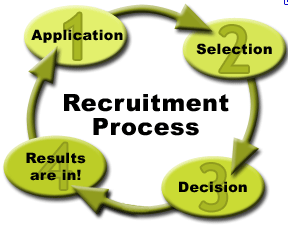
Where Does CSR Fit in with the Recruitment Process?


Share this:

  • Tweet
  • Email a link to a friend (Opens in new window) Email
  • Share on Reddit (Opens in new window) Reddit
  • Print (Opens in new window) Print
Like Loading...

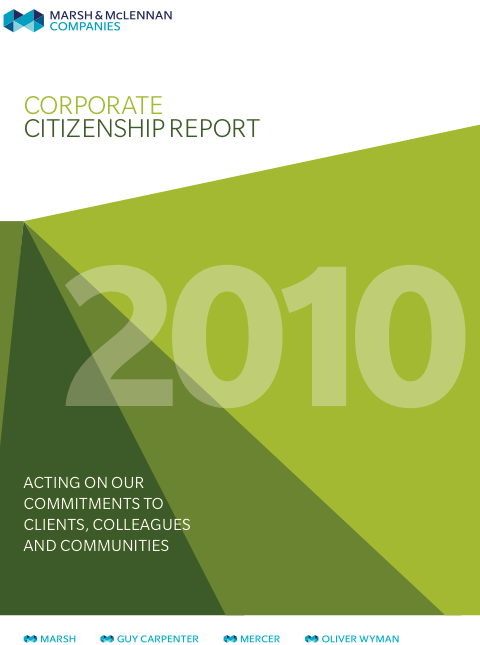
Marsh & McLennan’s 2010 CSR Report: Holistic, Aspirational, But Lean on Data

07 Wednesday Sep 2011

Posted by Aman Singh in CSR, CSR reporting, HR

≈ 2 Comments

Tags

Accountability, aman singh, aman singh das, brand management, Brand Management, Business, Business Ethics, Chief Diversity Officer, Chief sustainability officer, Christine Salerno, corporate citizenship, corporate social responsibility, CSR, CSR communications, CSR reporting, CSR strategy, Elizabeth Barry, guy carpenter, HR, Kathryn Komsa, Leadership, management, Management, marsh, mercer consulting, Michael Connor, oliver wyman, shared value, Silvia Davi, social responsibility, Social Responsibility, Stakeholder Engagement, supply chain, Sustainability, sustainability, Work culture


“Our corporate social responsibility is our best kept secret.”

What compels a company with 52,000 employees and with over 140 years of systems in place to publish a CSR report?

For professional services giant Marsh & McLennan, as CSR Director Christine Salerno put it, there was an urgency “to put a stake in the ground.” The company, following shortly on the footsteps of a rebranding initiative [from Marsh to Marsh & McLennan], released its first CSR report, complete with a press briefing at its New York headquarters, late last month.

At first — and second — glance, the Marsh CSR report is 21 pages of text and very little data. What the executives present at the briefing, however, had to say, was far more enlightening and worth noting.

After Silvia Davi, head of corporate communications and brand introduced the panel — an all-women team of Chief Sustainability Officer Elizabeth Barry, Chief Diversity Officer Kathryn Komsa and Salerno — Barry started off with some forward-looking statements.

1. Sustainability

“We were doing a lot [in sustainability] but we needed structure. Now we can gain much more from the same efforts by implementing them as part of a long term strategy,” she said, adding that, “This is not about today, this is about tomorrow.”

Our work in CSR is our best kept secret. Now we have decided to collaborate and communicate our successes and challenges because colleague education and engagement are key to the success of our sustainability strategy.

Pointing to a slide that charted key accomplishments since 2010, Barry noted that a majority of the data points were yet to occur. For example, the company is set to launch an internal “Green Traveler” program aimed at helping employees’ cut down their carbon footprint by educating them on telecommunication alternatives, etc. Also to follow later in the year: A “Paper Reduction Campaign” as well as a “Sustainability 101 Training Program.”

“I want everyone in the company to know that they are committing to a longterm strategy,” she emphasized. “Sustainability starts with people and our behavior and if every colleague made one tiny change, the impact collectively can be huge. It’s not a quick process but it is truly more sustainable.”

2. Diversity & Inclusion

The mission for CDO Komsa, who started in her current role in 2009, was “to create an enterprise-wide diversity and inclusion strategy.” “Our challenges are finding the right talent, resources, and the right market share in a multicultural world,” she said, adding a common refrain among the B2B sector, “Our raw material is our people and a diversity platform becomes a great way of creating shared value.”

Komsa also touched on an issue that has had insurance companies scratching their heads in recent years: How do you make a career in insurance sexy and attractive?

Noting that this is a big challenge and opportunity for Marsh, Komsa emphasized that her, “Team’s leading initiatives in coming months will be to tie in the four companies [Oliver Wyman, Marsh, Guy Carpenter and Mercer] and rebrand the insurance industry by emphasizing how we source our talent.”

3. Community Relations, Volunteerism, Philanthropy

Marsh and McLennan's 2010 CSR ReportSalerno who is an ex-investment banker chose to begin with a review of past challenges: “This is something that has always been done. What has been missing is the communications piece. There has been no cross collaboration internally within the units.”

“Our business case is to make sure that our CSR activities are creating impact in the communities we operate in and for our employees,” she added, noting that, “An engaged employee wants to stay. We want to make sure we are attracting the right people.”

The connection between CSR and recruitment is an increasingly acute problem for recruiters, especially in the B2B sector, where the commodity for sale isn’t so much a physical unit but organizational culture, intellectual growth and innovation. How do you leverage CSR as a recruitment strategy? [Join me at one of eight breakfast sessions on analyzing this very question starting next month.]

“Students coming out of college want to work for companies that are doing the right thing. Our strength is our people. So how do we use our biggest assets to create maximum impact?” Salerno responded.

4: Climate Change

In response to Business Ethics Publisher and veteran journalist Michael Connor’s question about setting goals on climate change, Barry pointed to the unique challenges of operating in cities like New York, where most companies don’t own their real estate. “Goals are hard for a professional services company. And when you add a lease to the equation, it becomes even harder. In most cases, we are in the middle of 10-year leases so in the interim, we are finding other ways to set goals, like how to reduce our real estate portfolio altogether.”

5: What Does Successful CSR Look Like for a Fortune 250 Company?

Employee engagement has always been a huge component of my blogs in the past because I truly believe that getting your employees on your side is half the battle for most companies struggling with reputation issues. They can be your best brand ambassadors and I asked the Marsh team what success looked like for all their CSR and sustainability efforts: A significant decrease in air travel, a certain number of LEED certifications, an internally set women and minority retention rate, or something else?

Repeating that they launched the CSR report as a way of putting a stake in the ground, Salerno emphasized that, “Employee engagement is a crucial piece and trying to quantify our efforts and rolling out a system to measure our activities has them talking.”

“We’re getting the information out there and they are discussing it,” she said, to which Komsa added that, “piles of resumes have been pouring in because the work we do aligns with someone’s values. That means our employees are talking, which is a huge win for us.”

Barry, however, might have put it best:

“This report doesn’t have as many foundations but it is an important story to tell. We don’t have all the answers but we do want to get started on finding them.”

At the end of the day, Marsh isn’t looking to solve the water crisis or achieve a zero carbon footprint. Their goals are moderate and their CSR report reflects a forward-looking attitude that is encouraging.

That they have a team in place approaching CSR strategically — and a lot more holistically than many other companies — is the right start.

Share this:

  • Tweet
  • Email a link to a friend (Opens in new window) Email
  • Share on Reddit (Opens in new window) Reddit
  • Print (Opens in new window) Print
Like Loading...

As Steve Jobs Departs, A Review of Our Love-Hate Relationship With Apple…and Sustainability

24 Wednesday Aug 2011

Posted by Aman Singh in CSR

≈ 1 Comment

Tags

aman singh, aman singh das, Apple, brand management, brands with purpose, BSR Conference, Business, Carol Cone, cause marketing, CEO Network, consumer education, consumerism, corporate social responsibility, CSR, Edelman, Good Purpose Study, Green, In Good Company, Leadership, Management, Matthew Bishop, Performance with Purpose, Steve Jobs, Sustainability, sustainability, sustainable business, sustainable technology, technology, Work culture


As we slowly recover from the stupor of the not completely unexpected news that Steve Jobs has stepped down as Apple’s CEO, here’s a post from recent months that’s worth a retake.

Context: At Business for Social Responsibility’s (BSR) annual conference last year, Edelman’s Managing Director for Corporate Citizenship Carol Cone released the 2010 Good Purpose Study with a dramatic declaration: “Cause marketing is dead.”

The main overarching finding of the study, as regular readers will recall, was this:

87 percent of consumers worldwide believe that business needs to equate at least equal weight on society’s interests as on business interests.

Accompanying Cone at the release were panelists from Levi Strauss, PepsiCo and a personal favorite: The Economist‘s Matthew Bishop, who amid the hype and hoopla of the report, quietly asked: “Are we really going to stop buying Apple because of its crappy environmental policies?”

An excerpt, originally published on Vault’s CSR blog: In Good Company:

The GoodPurpose study by Edelman

“Cause marketing is dead”

That controversial statement is how Cone opened the panel, adding, “That [cause marketing] world is way over. Purpose has replaced cause marketing and branding.” Companies aren’t building marketing plans around a cause anymore, she argued. Rather, “they are infusing their very strategy and business model with purposeful corporate citizenship.”

Defining real purpose

Picking up where Cone left off, the always-entertaining Matthew Bishop began with a prediction: “If we continue the current road toward demanding transparency and corporate social responsibility, within the next five to 10 years, we will begin to see corporate board meetings being live streamed to select people.”

Chuckling about the ambitiousness of his own statement, he went on to note, “Likewise, the real question is how much of this data [in the Good Purpose study] is picking up on aspirations rather than real choices [of consumers].”

PepsiCo: Performance with Purpose

Alleging that PepsiCo’s latest mantra of “Performance with Purpose” was indeed a verification of this shift from cause marketing to purposeful corporate citizenship at companies, Communications Director for PepsiCo Americas Beverages Melisa Tezanos gave high points to CEO Indra Nooyi for pushing for a company-wide cultural change that today drives all their business functions.

[READ: Pepsi Takes Performance with Purpose to Heart: An Interview with Chief Personnel Officer Cynthia Trudell]

“However, Nooyi is completely unapologetic about giving ‘performance’ as much importance as the ‘purpose’ part and she makes no bones about it,” said Tezanos, adding that this helps everyone across the company stay committed to a culture of profitability with purpose. Explaining the drivers behind PepsiCo’s highly successful Refresh project, she further stated, “For millennials, social responsibility is huge. We’ve seen through research again and again that their purchase intent goes up significantly when the brand is associated with a good cause.”

And finally, referring to the findings of the Edelman study—and Cone’s earlier comment, she said, “Marketing used to be blamed for being short-termism. Today, marketers are the biggest defenders of long-termism.”

But would you give up Cola…or Apple?

Bringing the conversation back to a level plain field, Bishop concluded with a sobering thought, “But what is real and what is fake with purpose? Will Pepsi ever move beyond the heart of its products, i.e., increasing obesity? Are we really going to stop buying Apple [products] because they have crappy environmental policies?”

———————————–

Just some food for thought as we go on a whirlwind ride with the media in coming days on the history, the present, and the future of America’s favorite company, Apple. Don’t forget to add your perspective by leaving a comment or connecting with me @AmanSinghCSR.

And if you haven’t already, share your opinion on whether social media engagement make better brands or more effective leaders by taking this new BRANDfog survey on social media and leadership.

More on Edelman’s Good Purpose study: Encompassing 7,259 respondents in 13 countries, the study was conducted by consulting firm StrategyOne with the objective of analyzing whether—and how much—purpose plays into purchase decisions worldwide, and further, how these transform into consumer activism via social media.

Share this:

  • Tweet
  • Email a link to a friend (Opens in new window) Email
  • Share on Reddit (Opens in new window) Reddit
  • Print (Opens in new window) Print
Like Loading...
← Older posts
Newer posts →

Let's Talk!

Virtual
732-322-7797
amansinghdas@gmail.com

Blogs I Follow

  • Nonprofit Chronicles
  • Learned On by Andrea Learned
  • Angry African on the Loose™
  • csr-reporting
  • The CSR Blog
  • In Good Company: Singh on CSR

My Cloud

Capitalism 2.0 CSR CSR reporting CSRwire ESG Guest Author HR Stakeholder Engagement Sustainability Uncategorized

Recently written…

  • Rationality is Ruining Us: Mayors, presidents and governors join major businesses in charting way forward on climate change
  • 2015: the year businesses recognize that climate change is real – and 4 other themes
  • Hardcore lessons of sustainability – ’10 Words or Less’
  • Brewing a Better Future [#BaBF] with Heineken: Examining the Many Flavors of Local Sourcing
  • From Conflict to Collaboration: Kimberly-Clark and Greenpeace Participate in LIVE Twitter Chat

What others are reading

aman singh aman singh das Brand Management Business corporate social responsibility CSR CSR reporting CSRwire ESG Leadership Stakeholder Engagement supply chain Sustainability sustainability Work culture

Categories

Most Read

  • None

Create a free website or blog at WordPress.com.

Nonprofit Chronicles

Journalism about foundations, nonprofits and their impact

Learned On by Andrea Learned

Angry African on the Loose™

I have opinions. I am from Africa. I live here now. I blog.

csr-reporting

Connecting the dots between Business, Society & the Environment

The CSR Blog

Connecting the dots between Business, Society & the Environment

In Good Company: Singh on CSR

Connecting the dots between Business, Society & the Environment

Privacy & Cookies: This site uses cookies. By continuing to use this website, you agree to their use.
To find out more, including how to control cookies, see here: Cookie Policy
  • Subscribe Subscribed
    • In Good Company: Singh on CSR
    • Join 119 other subscribers
    • Already have a WordPress.com account? Log in now.
    • In Good Company: Singh on CSR
    • Subscribe Subscribed
    • Sign up
    • Log in
    • Report this content
    • View site in Reader
    • Manage subscriptions
    • Collapse this bar
 

Loading Comments...
 

    %d